













Thermal curtains


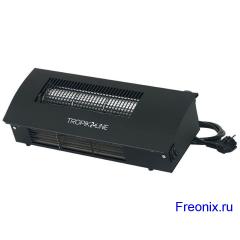
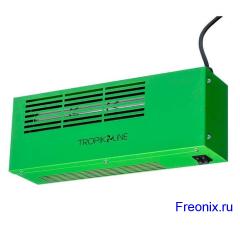
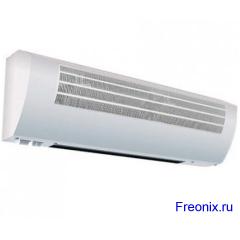
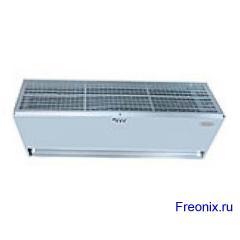


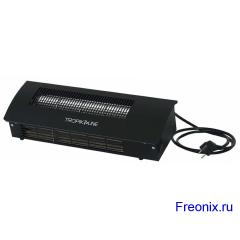
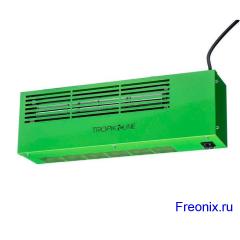
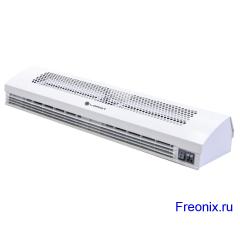
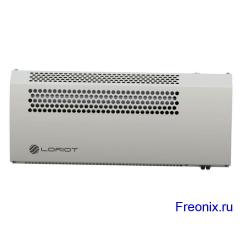
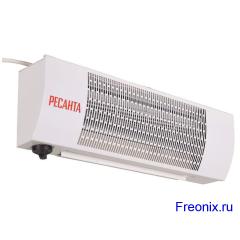

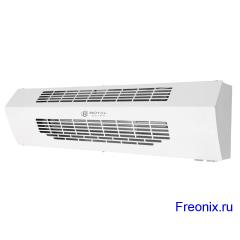
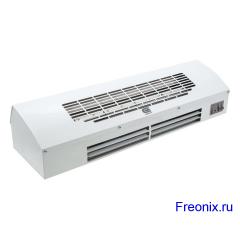
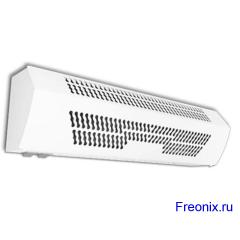

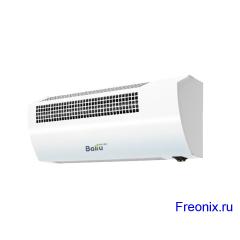
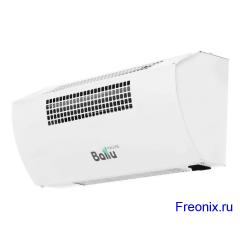
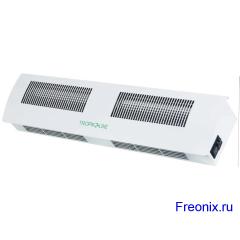
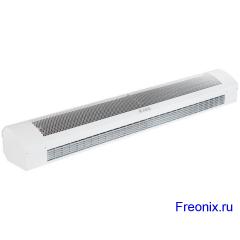
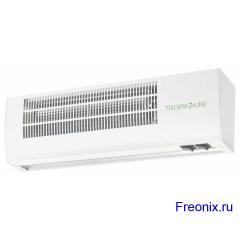
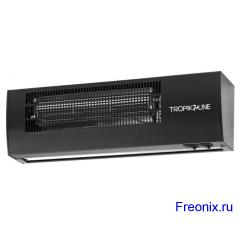
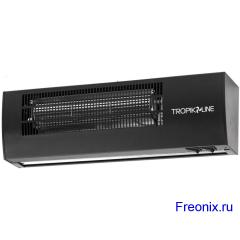
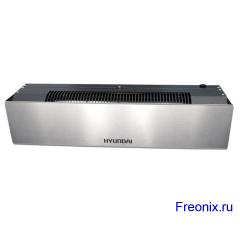
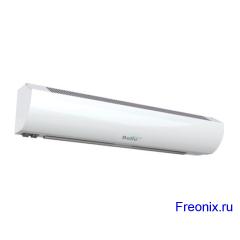
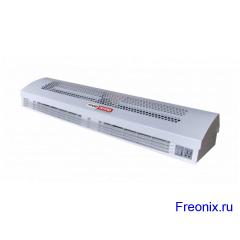
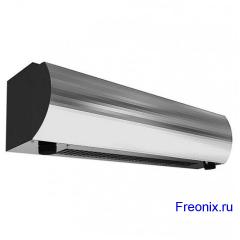
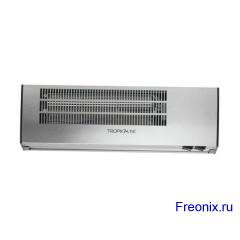
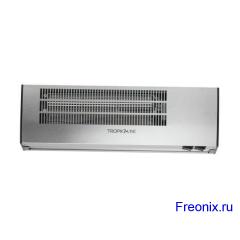
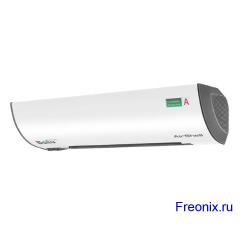
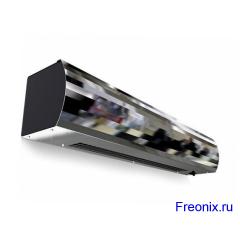
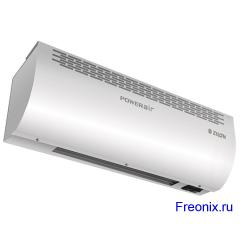
The Ultimate Guide to Air Curtains: Technical Specifications, Benefits, and Applications (2026 Update)
Introduction: What is an Air Curtain?
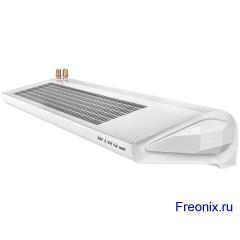
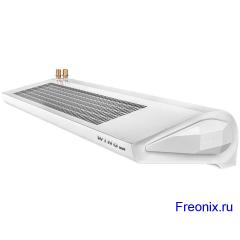
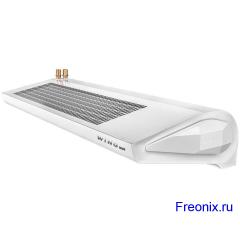
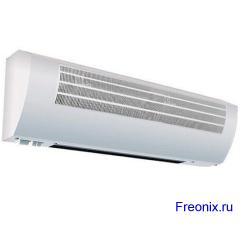
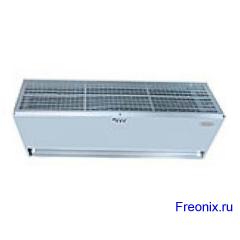
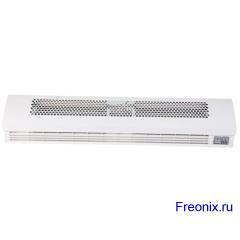
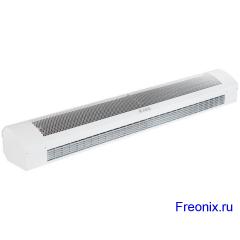
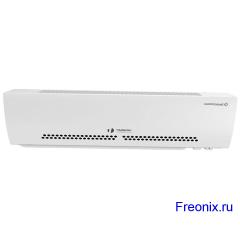
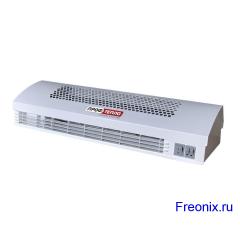
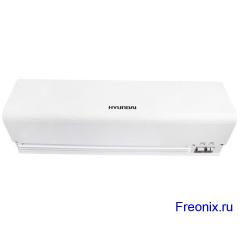
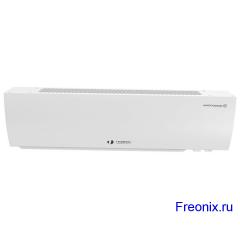
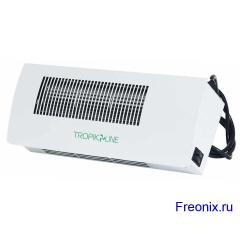
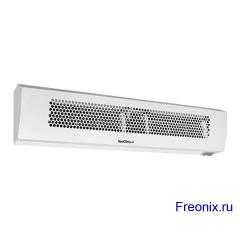
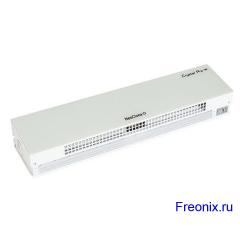
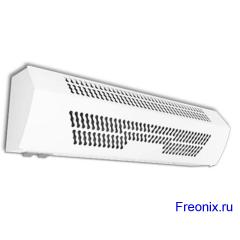
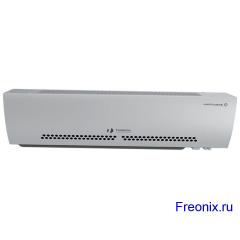
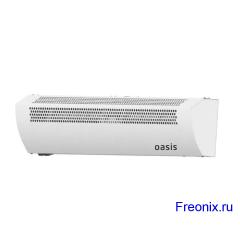
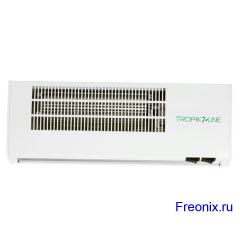
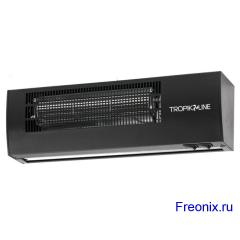
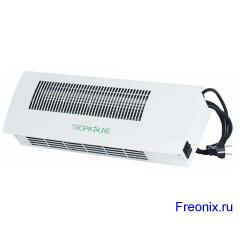
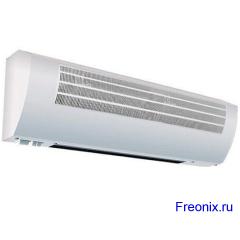
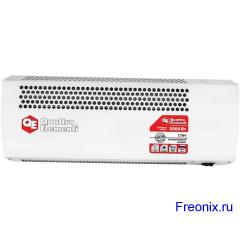
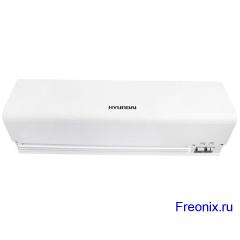
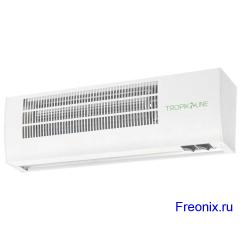
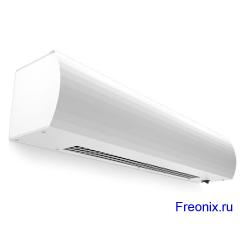
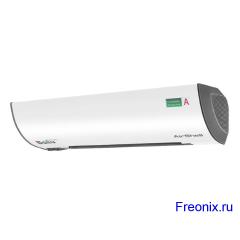
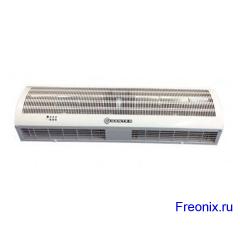
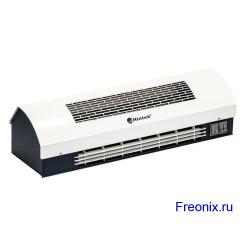
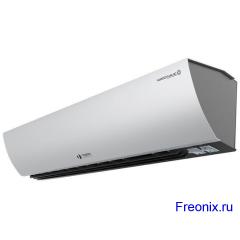
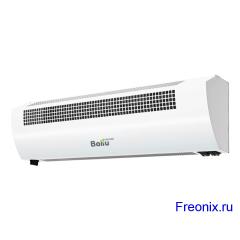
An air curtain (also known as an air door, fly fan, or air screen) is a specialized HVAC device that creates a continuous, invisible barrier of air over an entrance, doorway, or opening. This high-velocity air stream prevents the exchange of indoor and outdoor air, keeping conditioned air inside while blocking dust, insects, and outside weather elements.
While the concept is simple, the engineering behind modern air curtains is highly sophisticated. According to industry standards (AMCA 220), a properly designed air curtain must meet specific velocity and pressure requirements to maintain an effective seal. This article provides an in-depth look at air curtain technology, incorporating official technical data from leading manufacturers like Mars Air Systems, Biddle, and Panasonic.
1. How Air Curtains Work: The Aerodynamic Principle
An air curtain does not "blow air into the room." Instead, it works by creating a uniform jet of air directed downward at the doorway. The critical factor is air velocity and angle.
- Discharge Angle: Most modern units are engineered with a 15° to 20° tilt toward the outside. This "angle of attack" forces the air stream to strike the floor just outside the doorway, creating a low-pressure seal.
- Uniformity: A high-quality air curtain maintains a velocity uniformity of ±5% across the entire width of the nozzle. This ensures there are no gaps in the air barrier (as per AMCA 220 testing standards).
Key Insight: The barrier is only effective if the air velocity at the floor is sufficient to overcome the natural stack pressure and wind load of the building. Manufacturers like Mars emphasize that the discharge velocity is a function of the unit's static pressure and fan efficiency.
2. Technical Specifications: What to Look For
When selecting an air curtain, you must analyze technical data sheets from official sources. Below is a breakdown of the core specifications based on current 2026 product lines.
A. Air Velocity (CFM & FPM)
- CFM (Cubic Feet per Minute): This measures the volume of air moving through the unit. For a standard 3-foot door, a commercial-grade unit requires 2,000 – 3,000 CFM.
- FPM (Feet per Minute): The speed of the air at the nozzle. For a 7-foot door, the required velocity is typically 2,000 FPM to ensure the air reaches the floor with enough force. For high-traffic industrial doors (10-12 feet), units must deliver up to 3,500 FPM.
B. Motor and Fan Technology
Modern units have shifted from PSC (Permanent Split Capacitor) motors to EC (Electronically Commutated) motors.
- Spec: EC motors offer up to 70% higher efficiency than standard AC motors.
- Feature: They allow for variable speed control (0-10V), enabling the operator to "dial in" the precise CFM needed, reducing energy waste during low-traffic periods.
- Example: Biddle's Induced Air Series uses EC motors that can be controlled via BMS (Building Management System) for dynamic load balancing.
C. Noise Levels (dBA)
Noise is a critical specification for retail and office environments.
- Commercial Series: Operates between 50 – 60 dBA at 5 feet.
- Industrial Series: Typically operates at 65 – 75 dBA.
- Trend: Newer models like the Panasonic "Whisper" Series utilize aerodynamic fan blades to reduce turbulence, maintaining noise levels below 45 dBA for luxury retail applications.
D. Heated vs. Unheated (Ambient) Units
Air curtains come in two primary forms:
- Ambient (Unheated): Used in warm climates or for insect control where heating is not required.
- Heated: Used in cold climates to temper the incoming air.
- Electric Heat: Specifications include 5 kW to 30 kW heating capacity.
- Hydronic (Water) Heat: Uses hot water coils. Specifications include BTU/hr ratings (e.g., 50,000 – 200,000 BTU/hr) and require a supply water temperature of 180°F - 200°F.
3. Product Features: Official Manufacturer Data
Mars Air Systems (Official Source: marsair.com)
Mars Air Systems is the industry leader. Their "Guardian" Series provides key specifications:
- Housing: 18-gauge galvanized steel with a powder-coated finish (epoxy-polyester) for corrosion resistance.
- Motor Protection: Standard thermal overload protection and automatic reset.
- Control Panel: Includes a 10-position adjustable switch for CFM and velocity.
- Ideal Applications: Restaurant doors (keeping flies out), loading docks (environmental separation).
Biddle (Official Source: biddle-air.com)
Biddle focuses on Induced Air Technology.
- Key Feature: The Recirculating Air Curtain. This unit pulls air from the top of the doorway and filters it, rather than simply pushing outside air down. This reduces energy loss by up to 90% compared to conventional units.
- Specification: The Biddle "Recirculator" has a discharge velocity of 8 m/s (1,574 FPM) and operates with a filter efficiency of G4/F5, ensuring clean air is returned to the building.
Panasonic (Official Source: panasonic.com)
Panasonic's "Air Curtain" Series is renowned for its DC Inverter technology.
- Inverter Motor: Reduces power consumption by 50% compared to conventional fans.
- Feature: Auto-Sensor Technology – Some models include a motion sensor that automatically increases the fan speed when a person approaches and slows down when the doorway is empty.
4. Key Benefits: Energy Savings & Hygiene
Energy Efficiency
The primary benefit of an air curtain is HVAC load reduction. By creating a seal, the air curtain prevents the loss of conditioned air.
- Statistic: According to the U.S. Department of Energy (DOE), unsealed doors can account for 30-40% of a building's heating and cooling load. A correctly installed air curtain can reduce this infiltration by 80%.
- Cost Factor: A 6-foot air curtain with an EC motor operating at 50% capacity consumes roughly 0.5 kWh of electricity, saving significantly on the cost of reheating or recooling lost air.
Insect and Contaminant Control
In the food service and pharmaceutical industries, air curtains are a non-chemical pest control solution.
- Performance: The high-velocity air stream (minimum 2,000 FPM) is sufficient to prevent common flying insects (flies, mosquitoes) from penetrating the barrier.
- Compliance: Meets NSF/ANSI Standard 37 for food equipment, providing a hygienic solution without the use of pesticides.
5. Applications: Where Air Curtains Are Essential
Commercial (Retail & Hospitality)
- Entrances: Maintains a comfortable indoor temperature, reducing the "door draft" effect.
- Feature: Saloon-style doors or sliding doors benefit from air curtains that are slim and low-profile (e.g., Mars Standard Series, 6" deep).
Industrial & Logistics
- Loading Docks: Used to keep the warehouse at a constant temperature while trailers are open.
- Spec: These units are often 10-16 feet in width, requiring heavy-duty motors (3 HP+) and high static pressure (1.5" W.C.) to overcome negative building pressure.
Healthcare & Cleanrooms
- Hygiene: Prevents airborne particles and bacteria from entering sterile environments.
- Feature: Units must be constructed with 304 stainless steel housing for sanitization purposes (e.g., Mars LPV Series).
6. Installation and Sizing Guidelines
To achieve optimal performance, sizing must be based on door width and mounting height.
- Width: The air curtain unit should cover the full width of the door opening.
- Mounting Height: The standard rule is 1.5 CFM per square inch of door area.
- Example: A 6-foot door (72 inches) with a 7-foot height (84 inches) = 6,048 square inches.
- Required CFM: 6,048 sq.in. × 1.5 = 9,072 CFM (This means you would need two 3-foot units or one 6-foot unit with high CFM output).
Important Installation Note: If the doorway is exposed to strong crosswinds, the air curtain will fail. In such cases, you must install a Wind Compensation System or recess the entrance to reduce wind load.
7. Maintenance and Longevity
Modern air curtains are designed for 24/7 operation, but maintenance is key.
- Filter Cleaning: Units with intake filters (like Biddle) require cleaning every 3-6 months to maintain air velocity.
- Bearing Lubrication: Industrial units with belt-drive motors require annual greasing.
- Lifespan: With proper maintenance, an air curtain can last 10-15 years. The EC motor lifespan is rated at 50,000+ hours.
Conclusion
Air curtains are not merely accessories; they are integral components of modern building energy management. Whether you are selecting a Mars Air Systems unit for industrial load-bearing applications, a Biddle recirculator for high-end commercial spaces, or a Panasonic inverter model for residential energy efficiency, the choice hinges on air velocity (FPM) and motor efficiency.
Investing in a properly sized, EC-motor-driven air curtain will yield a return on investment (ROI) of 1-2 years through reduced HVAC costs, while simultaneously improving occupant comfort and hygiene.
Note: All specifications provided (CFM, FPM, dBA, and motor types) are derived from publicly available technical datasheets from official manufacturer websites (Mars, Biddle, Panasonic) and industry standards (AMCA 220).